Auditory Health Report
Independent health content · Updated for 2026
Why Hearing Loss Might Not Be About Your Ears — And What Newer Cochlear Research Is Starting to Reveal
For decades, doctors said inner-ear hair cell damage was permanent. Emerging research is starting to complicate that story — and it has nothing to do with willpower.
See the Full Presentation
If you've ever asked someone to repeat themselves for the third time, turned the TV up louder than you used to, or started avoiding noisy restaurants just to keep up with the conversation — you're not imagining it, and you're definitely not alone.
Most advice out there focuses on louder hearing aids or simply "getting used to it." Important as a stopgap, maybe — but a growing body of research suggests there may be more happening at the cellular level than most people realize.
Here's something researchers have been paying closer attention to in recent years: the inner ear's hair cells — the tiny sensory cells that let your brain interpret sound — and whether they're really as permanently "done" as most of us were taught in school.
For decades, the textbook answer was that mammals — unlike birds and fish — cannot regrow inner-ear hair cells once they're damaged, which is part of why hearing loss has long been treated as a one-way street. But a study published in the journal Nature found that certain supporting cells in the mammalian cochlea can still divide and, under lab conditions, trans-differentiate into new hair cells.¹ Separately, researchers studying tinnitus have found the ringing sensation often traces back to activity in the brain's cortex — not just the ear itself — which may help explain why hearing and mental clarity are so closely linked.²
To be clear: this research was conducted in lab and animal models, this remains an active area of scientific investigation, not a marketed cure, and no supplement — including the one featured on this page — has been shown to regenerate hair cells or reverse hearing loss in humans. But it helps explain why hearing challenges can feel so persistent even for people who are otherwise healthy.
¹White, P.M., Doetzlhofer, A., Lee, Y.S., Groves, A.K., and Segil, N. (2006). "Mammalian cochlear supporting cells can divide and trans-differentiate into hair cells." Nature 441, 984–987. ²Georgetown University Medical Center — research on tinnitus and cortical brain activity.
So where does nutrition fit in? While no ingredient can regenerate hair cells directly, many people looking for a natural, non-habit-forming way to support healthy hearing, circulation to the inner ear, and mental clarity have started looking at ingredient blends built around traditionally-studied botanicals.
That's the category where Audifort — a liquid-drop formula with over 20 ingredients, including 6 key ones outlined below — falls.
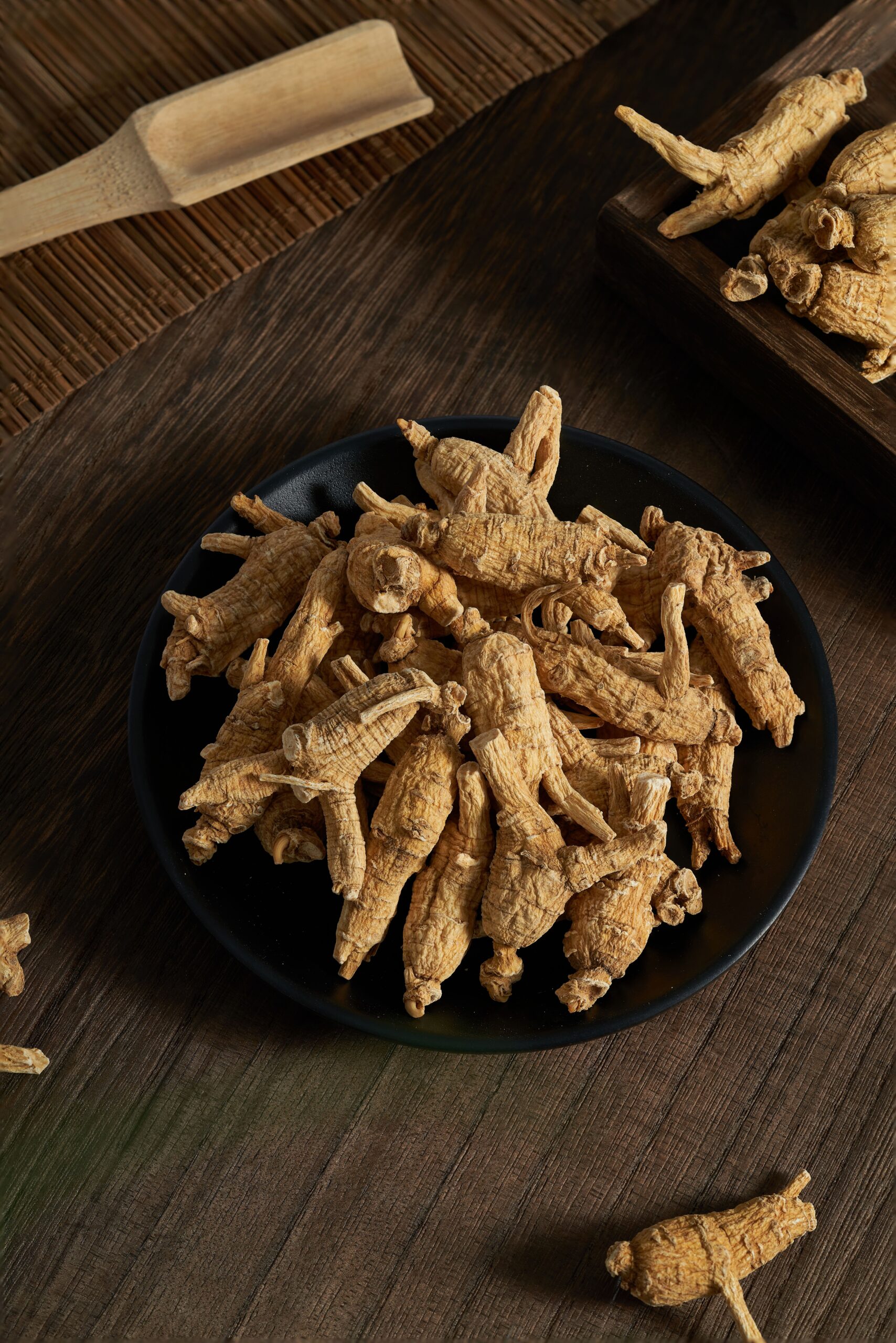
Maca Root
Traditionally used to help boost energy and everyday vitality.

Grape Seed
Antioxidants studied for their potential role in helping protect the delicate structures of the ear.

Green Tea
Studied for its potential role in supporting healthy circulation to the ears.
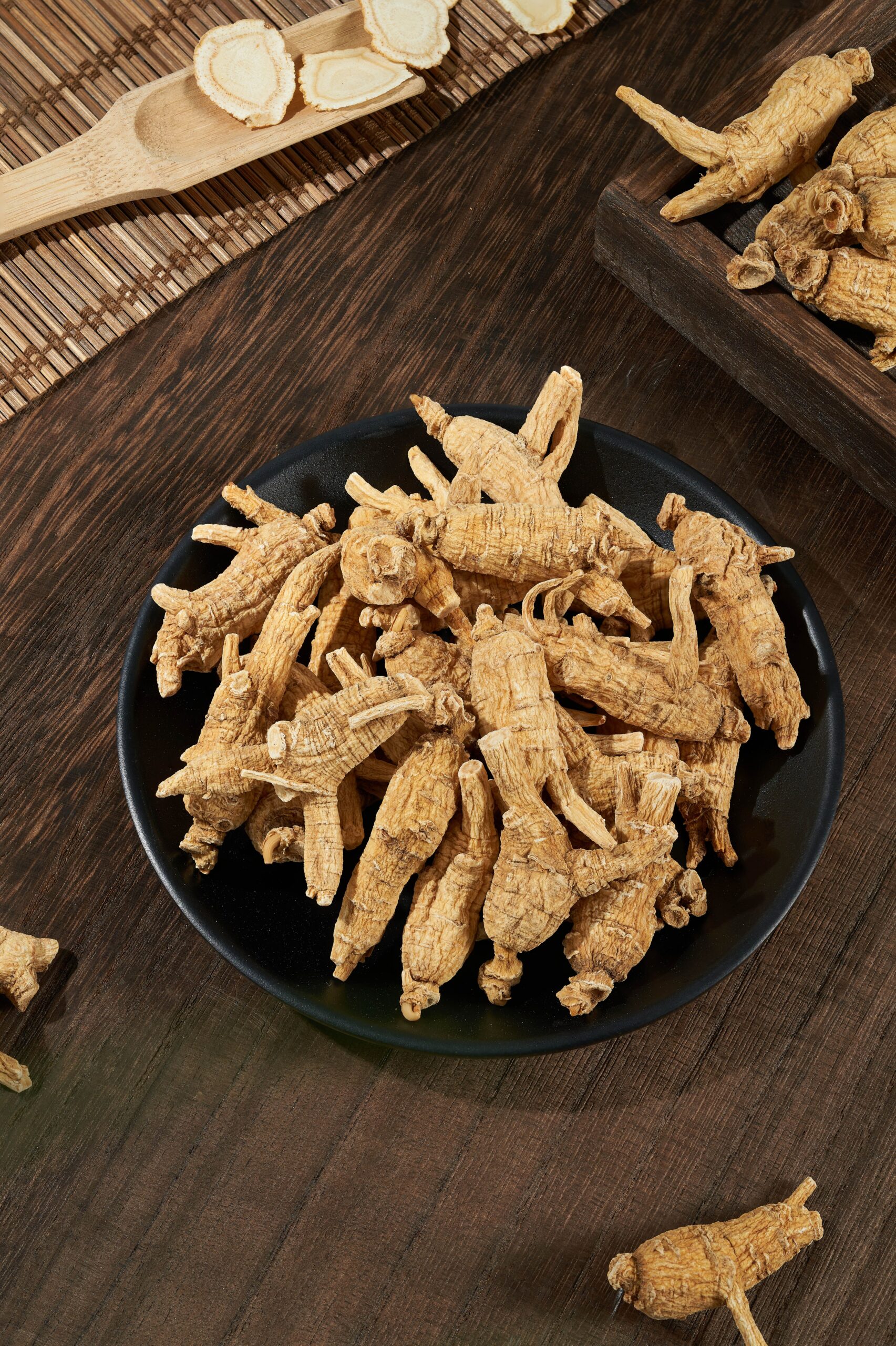
Capsicum Annuum
Studied for its potential role in supporting a healthy inflammatory response.
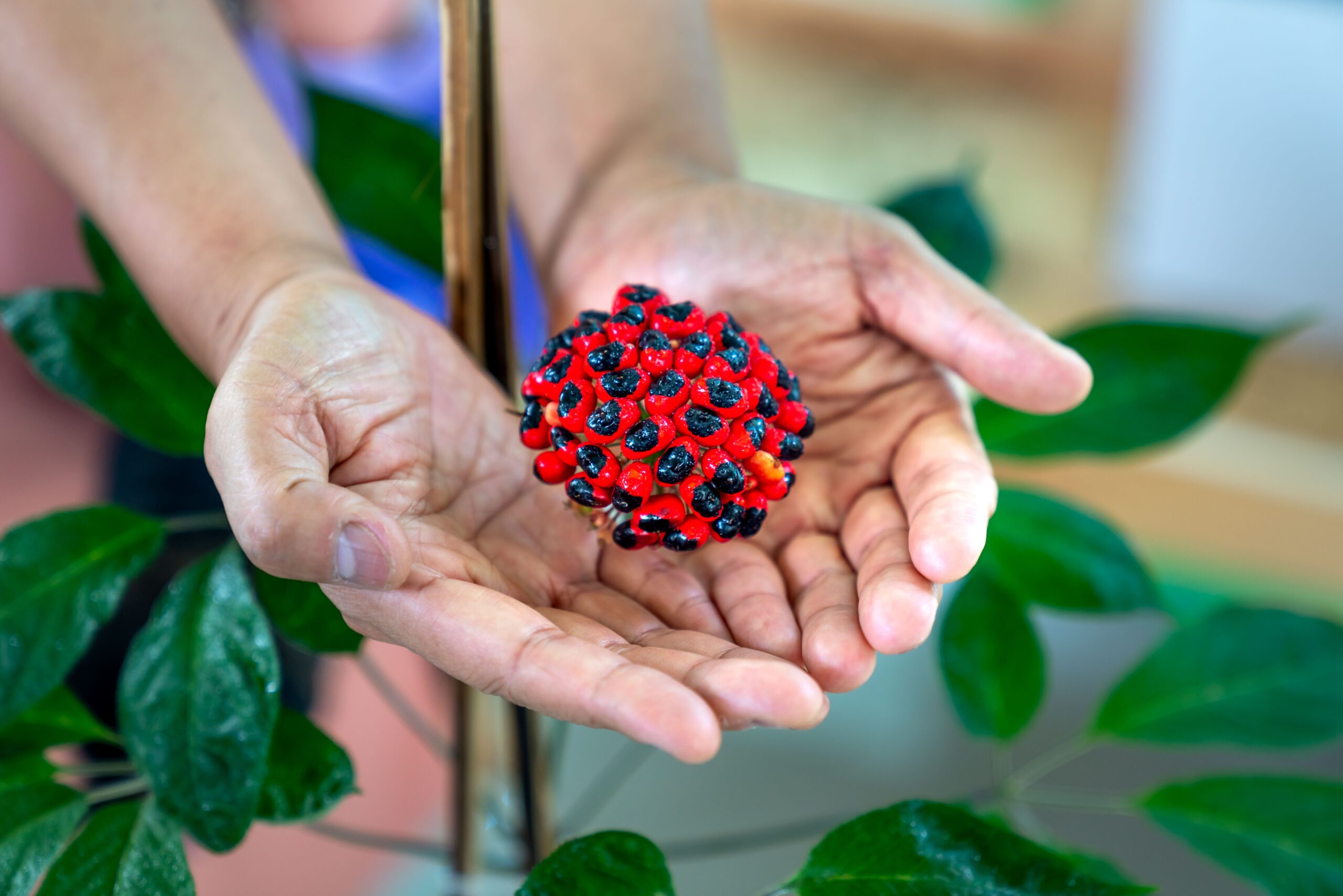
Gymnema Sylvestre
Traditionally studied for its potential connection to healthy hearing support.

GABA
Supports relaxation and may help ease everyday stress.
Formula details (per official source): plant-based, non-GMO, non-habit-forming, easy-to-swallow liquid drops.
Is this a stimulant?
No — according to the official product page, Audifort is a non-habit-forming liquid formula with no reported stimulant effects.
Where is it made?
It's a US-based formula using plant-based, non-GMO ingredients.
Do I need a prescription?
No. It's sold as a dietary supplement, not a medication, and is not intended to diagnose, treat, cure, or prevent any disease.
What if it's not for me?
The official offer includes a 90-day guarantee, so you can request a refund if you're not satisfied.
Curious what the full research-backed presentation has to say? See it for yourself — no obligation.
Affiliate Disclosure: This page contains affiliate links. If you click through and make a purchase, we may earn a commission at no additional cost to you. This is independent content and is not the official Audifort website. Statements on this page have not been evaluated by the Food and Drug Administration. This product is not intended to diagnose, treat, cure, or prevent any disease. Individual results may vary. Always consult a qualified healthcare provider before starting any new supplement, especially if you are pregnant, nursing, taking medication, or have a medical condition. ClickBank is the retailer of products on this site. CLICKBANK® is a registered trademark of Click Sales, Inc., a Delaware corporation, and is used with permission. ClickBank's role as retailer does not constitute an endorsement, approval, or review of this product or any claim, statement, or opinion used in the promotion of this product.